Shoulder Replacement Abroad in Europe: Costs, Implant Types, Recovery, and Comparing Clinics
Surgery
Shoulder Replacement Abroad: An In-Depth Guide for Patients
Choosing to have a shoulder replacement abroad is an important decision for anyone seeking pain relief, restored function, and improved quality of life. Many patients are now exploring European destinations such as Poland, Latvia, Estonia, and Lithuania for affordable, high-quality total or reverse shoulder replacement surgery—known medically as shoulder arthroplasty. This guide will help you understand the options available, from implant selection and surgery types to costs, recovery timelines, and how to confidently compare clinics.
What Is Shoulder Replacement Surgery?
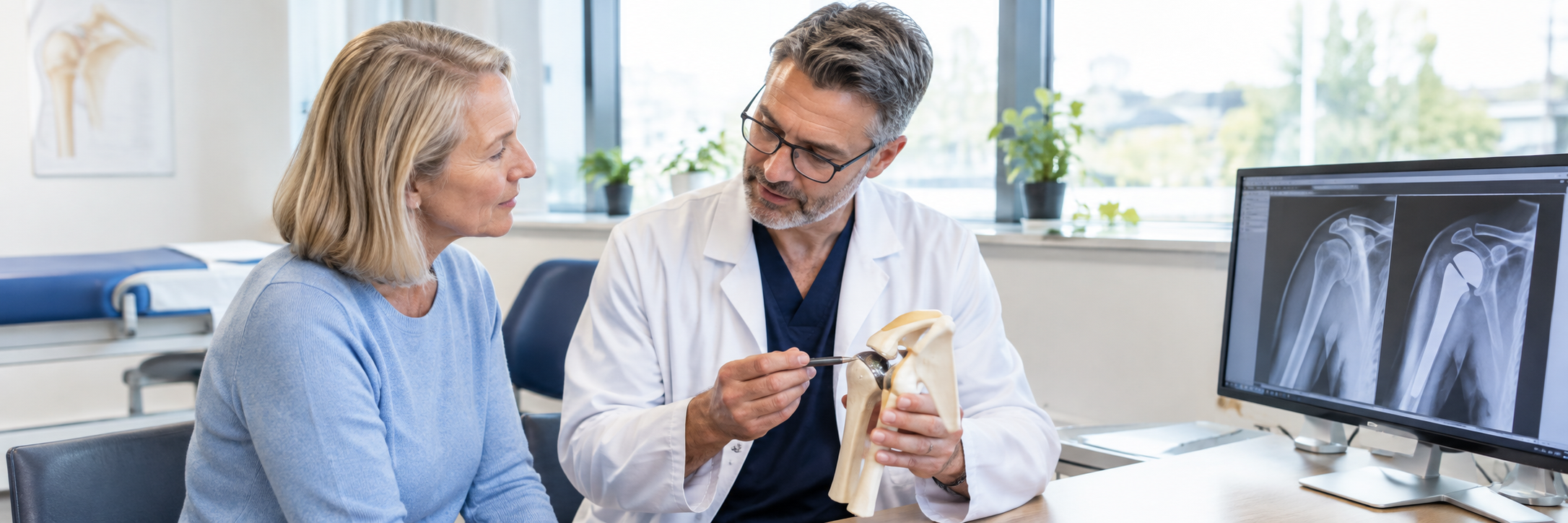
Shoulder replacement (shoulder arthroplasty) is a surgical procedure where the damaged parts of the shoulder joint are replaced with artificial components called implants. This operation can relieve severe pain and stiffness caused by arthritis, injury, or rotator cuff tears, when other treatments have not been effective.
Total Shoulder Replacement Surgery: Replaces both the ball (humeral head) and socket (glenoid) with prosthetic components.
Reverse Shoulder Replacement: The positions of the ball and socket are reversed, often used in cases of severe rotator cuff damage.
Choosing between total and reverse procedures depends on your individual anatomy, injury, and lifestyle needs. Guidance from a qualified orthopedic surgeon is essential to identify the best choice for you.
Why Consider Shoulder Replacement Abroad in Europe?
Patients seek shoulder replacement abroad for a variety of reasons, including:
Affordability: Private treatment costs in popular medical tourism destinations often compare favorably against Western Europe or the UK.
Shorter Waiting Times: Many clinics offer faster access to consultations, surgery, and rehabilitation.
Internationally Recognized Care: Many clinics adhere to European medical standards and employ experienced orthopedic surgeons.
Travel Accessibility: Poland, Latvia, Estonia, and Lithuania are well-connected to major European cities by direct flights.
To explore the full spectrum of available orthopedic surgeries, including shoulder replacement, see this summary of procedures.
Who Might Benefit from Shoulder Replacement?
Shoulder replacement is considered for patients with chronic pain, stiffness, or disability resulting from:
Osteoarthritis or rheumatoid arthritis
Severe fractures or post-traumatic injuries
Irreparable rotator cuff tears
Avascular necrosis of the humeral head
Careful assessment by your orthopedic specialist abroad will determine your suitability for surgery, as well as the most appropriate procedure and implant type for your needs.
Understanding Shoulder Replacement Implants
There are multiple types of shoulder prostheses, each suited to different patient profiles:
Hemiarthroplasty: Only the ball of the joint is replaced.
Anatomic Total Shoulder Replacement: Resembles natural anatomy, used when rotator cuff function is intact.
Reverse Shoulder Replacement: Used when rotator cuff muscles are severely damaged, reversing the joint orientation for improved stability.
Discussing implant options with your surgeon is important for understanding durability, movement range, risk of complications, and suitability based on age and lifestyle.
Benefits and Considerations for Shoulder Arthroplasty in Europe
Key Benefits
Cost-effective treatment: Many Eastern European clinics offer competitive pricing while maintaining high medical standards.
Experienced surgeons: Many medical tourism clinics are staffed by internationally trained and board-certified orthopedic surgeons.
Modern facilities: Leading shoulder replacement clinics invest in advanced surgical theaters, digital imaging, and infection control.
Personalized patient care: Clinics often provide support throughout the treatment journey, from travel planning to aftercare guidance.
Potential Considerations
Travel logistics: Patients need to plan for travel, accommodation, and postoperative stay.
Language differences: Most clinics have English-speaking staff, but confirming this in advance is key.
Rehabilitation: Initial shoulder replacement recovery typically begins in clinic; ongoing physiotherapy may be needed at home.
Risks and complications: As with all surgeries, there are risks such as infection, dislocation, implant loosening, or nerve injury. These should be fully discussed with your surgeon (see official clinical guidance).
Shoulder Replacement Cost in Europe
When considering shoulder replacement clinic prices, factors include the type of implant used, complexity of your case, length of hospital stay, and aftercare needs. Costs are usually lower in Poland, Latvia, Estonia, and Lithuania compared to Western countries, but prices differ between clinics and patient requirements.
Shoulder replacement cost in Europe is generally more affordable than in the UK or Scandinavia.
Patients should request an individualized quote, including both surgical fees and postoperative care.
Some clinics include rehabilitation or accommodation in their price; others charge separately.
Comparing European Destinations for Shoulder Surgery
Poland
Poland is a well-established destination for medical tourists from the UK, Ireland, and Scandinavia. Major cities like Warsaw and Kraków offer direct flights from many European airports.
Clinics often provide clear pricing and short waiting times for total and reverse shoulder replacement.
Medical facilities typically meet international standards for safety and infection control.
Consultations and postoperative support are often available in English.
Offer detailed preoperative assessment and recommendations.
Travel, Accessibility, and Planning for Shoulder Surgery Abroad
Most cities in Poland, Latvia, Estonia, and Lithuania are served by major European airlines, with short flight times from the UK and elsewhere.
Some clinics provide travel support services or can recommend local accommodation near the hospital.
Patients should plan to stay at least 7–14 days post-surgery for monitoring and initial physiotherapy before returning home.
How the Shoulder Surgery Travel Process Works
Initial Inquiry and Consultation: Contact your chosen clinic to provide medical history, recent scans, and discuss your symptoms.
Personalized Treatment Proposal: The medical team will review your documents, discuss surgical options (total or reverse replacement), and provide a quote.
Travel Arrangements: Book your flights, accommodation, and any support services offered by the clinic.
Preoperative Assessment: Upon arrival, you will have a detailed assessment with your surgeon and supporting staff.
Surgery and Initial Recovery: The operation typically requires a short hospital stay, followed by physiotherapy sessions.
Discharge and Follow-Up: Before returning home, your surgeon will offer advice on shoulder replacement recovery time, wound care, and follow-up needs.
Get our free "Ultimate Pre-Treatment Abroad Checklist"
Planning treatment abroad can be overwhelming - but it doesn’t have to be. Our “Ultimate Pre-Treatment Abroad Checklist” guides you step-by-step through everything you need to do before booking your procedure abroad.
How to Choose the Best European Shoulder Replacement Clinic
Making an informed choice for a shoulder replacement abroad involves careful comparison and research. Here are factors to consider:
Clinic transparency: Clear, upfront communication about shoulder replacement clinic prices, inclusions, and exclusions.
Surgeon credentials: Review training, experience, and patient feedback specific to shoulder arthroplasty in Europe.
Quality assurance: Seek clinics that publish safety indicators and participate in audit systems or accreditations.
Patient support: Look for comprehensive guidance, from travel to postoperative care and rehabilitation planning.
Access to information: Request detailed written recommendations about expected risks, recovery, and realistic outcomes.
Patient Safety and Rehabilitation Considerations
Patients should ensure they understand:
Surgical risks: Like all major surgeries, shoulder replacement can involve infection, implant complications, blood clots, or nerve injury. Discuss how each clinic manages these risks and how emergencies are addressed both during your stay and after returning home.
Rehabilitation options: Successful recovery depends on early physiotherapy and adherence to postoperative protocols. Ask your chosen clinic about the support they provide for rehabilitation both locally and when you return to your home country.
Frequently Asked Questions
How long is the typical shoulder replacement recovery time?
Most patients can expect to spend 7–14 days abroad after surgery. Full recovery, including regaining mobility and strength, often takes several months. Your surgeon will guide your individual recovery process.
What are the main risks and complications of shoulder replacement?
Risks include infection, implant loosening or dislocation, nerve injury, and blood clots. Clinics should explain all possible risks during your treatment planning.
What's the difference between total and reverse shoulder replacement abroad?
Total replacement keeps the natural anatomy, often used when rotator cuff muscles are stable. Reverse replacement is used with severe muscle damage and reverses the joint orientation for improved stability.
How do I compare shoulder replacement cost in Europe between clinics?
Check what is included in each clinic's quote—surgical fees, hospital stay, rehabilitation, tests, and accommodation may vary. Request a comprehensive, individualized quote and ask for a detailed breakdown from each clinic you contact.
Will clinics abroad offer support in English?
Most private clinics in Poland, Latvia, Estonia, and Lithuania have English-speaking staff and provide information for international patients. Confirm language support directly before booking.
Making Your Decision: Next Steps
Shoulder replacement abroad can be a viable and sensible option for patients seeking high-quality, affordable care without long waiting times. Before choosing a clinic, take time to review credentials, accreditations, and patient feedback. Request clear, detailed information about all aspects of your operation and recovery—including shoulder replacement risks and rehabilitation. Planning ahead ensures you’ll feel prepared for both your surgery and your return home.


.svg)