Varicose Vein Treatment in Europe: Comparing EVLA and VenaSeal, Costs, Recovery, and Choosing a Clinic
Medical tourism
Understanding Varicose Vein Treatment in Europe
For patients struggling with the discomfort and appearance of varicose veins, accessing effective and affordable solutions is essential. Medical tourism has made varicose vein treatment in Europe increasingly accessible, especially in countries like Poland, Latvia, Estonia, and Lithuania. These destinations offer modern clinical facilities, experienced vascular specialists, and internationally recognized standards for those seeking advanced therapies such as endovenous laser ablation (EVLA) and VenaSeal biological glue closure. This article examines the options, compares techniques, discusses costs and recovery, and guides patients considering treatment abroad.
What Are Varicose Veins and Why Treat Them?
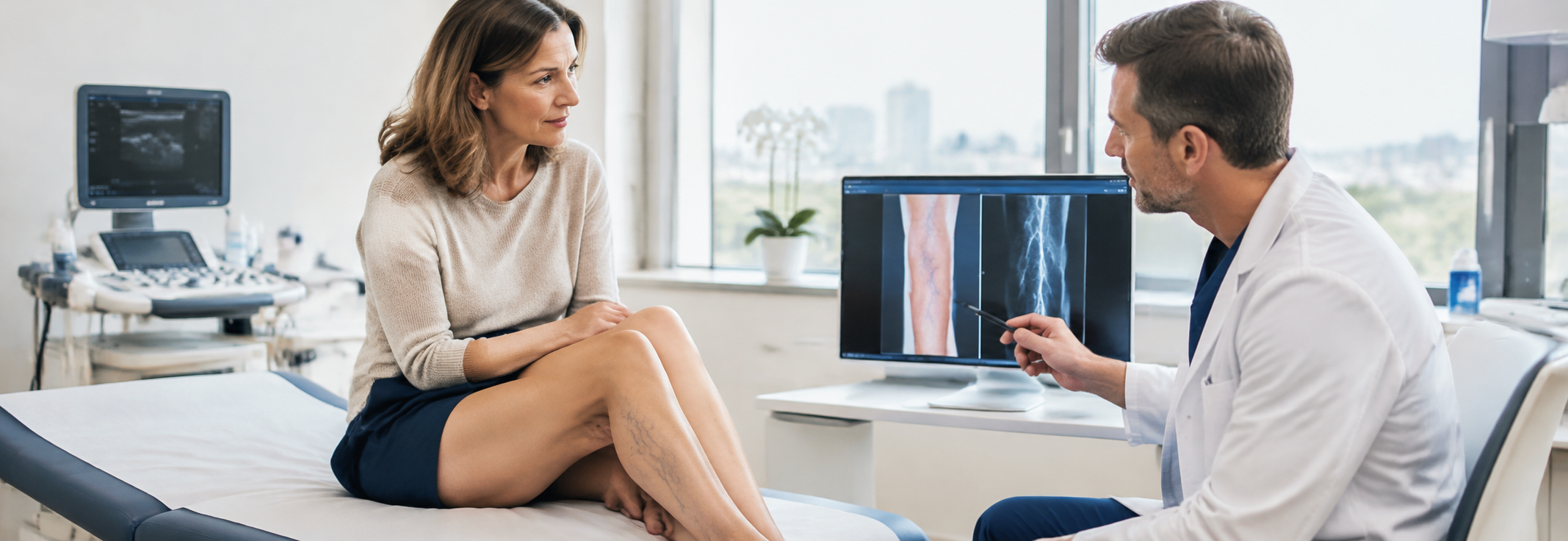
Varicose veins occur when superficial veins, most commonly in the legs, become enlarged, twisted, and unable to efficiently return blood to the heart. Chronic venous insufficiency may lead to symptoms like heaviness, discomfort, swelling, cramps, and cosmetic concerns. Severe cases can result in skin changes or ulceration, making timely treatment important for both health and quality of life. More information about the condition can be found in this resource from the NHS on varicose veins.
Modern Varicose Vein Treatments: EVLA and VenaSeal
The latest minimally invasive treatments have largely replaced old-fashioned surgical stripping. Two leading methods—endovenous laser ablation (EVLA) and the VenaSeal closure system—offer excellent results, with shorter recovery times and less discomfort than traditional surgery. Let’s briefly review these methods:
EVLA (Endovenous Laser Ablation): Involves using laser energy to seal off faulty veins, performed under local anesthesia. Suitable for most patients and typically done as a walk-in, walk-out procedure.
VenaSeal (Biological Glue Closure): Uses a safe medical adhesive to close the vein. This avoids the need for heat, and often does not require compression stockings or tumescent anesthesia.
Choosing between EVLA and VenaSeal depends on individual anatomy, clinical recommendations, and personal preferences. Here’s what sets the two apart:
EVLA is widely available and established, with a well-documented safety record.
VenaSeal is newer, potentially resulting in less bruising and no need for long-term compression stockings.
Neither usually requires a general anesthetic, and both are generally performed on an outpatient basis.
The choice may also depend on vein size, location, and patient suitability—these should be discussed with your treating specialist.
You can read an expert review comparing EVLA to VenaSeal by accessing the latest clinical research.
Who Is a Candidate for Minimally Invasive Vein Treatment?
Most adults with symptomatic varicose veins can benefit from minimally invasive approaches. However, the best method for you depends on:
Severity and location of varicose veins
Your general health and medical history
Previous vein treatment history
Presence of skin changes or ulcers
Personal preferences regarding recovery and outcomes
An ultrasound scan is typically required to map your veins and confirm the diagnosis prior to planning treatment.
Benefits and Considerations for Varicose Vein Treatment Abroad
Pursuing varicose vein treatment abroad in Europe offers unique advantages, especially for patients seeking high-quality care with less waiting time. Key benefits include:
Affordability: Treatments in Poland, Latvia, Estonia, and Lithuania are often more cost-effective than in Western Europe or the UK.
Modern Facilities: Many clinics utilize the latest technologies and comply with international medical standards.
Shorter Waiting Times: Patients can often schedule procedures quickly with minimal delays.
Experienced Specialists: Surgeons and vascular specialists are internationally trained and fluent in English or other major languages.
Transparency, safety, and patient experience are prioritized, with most providers offering comprehensive care packages.
Understanding Costs: EVLA vs VenaSeal in Europe
Varicose vein surgery cost in Europe can vary widely depending on the procedure chosen, the country, and the complexity of your case. While general price ranges are available, always request an individualized quote from your chosen clinic.
EVLA (Endovenous Laser Ablation): Typically less expensive than VenaSeal, but prices differ by clinic, number of veins treated, and consultation fees. See typical options for laser operations on both legs.
VenaSeal: As a newer technology, VenaSeal generally costs more due to specialized materials. For more, see biological glue treatment.
Be sure to review our price comparison resources for up-to-date estimates, and compare value beyond the cost alone—consider aftercare, package inclusions, and clinic reputation.
Laser Vein Treatment Recovery: What to Expect
One of the main appeals of modern therapies, such as EVLA and VenaSeal, is the shorter, less painful recovery compared to traditional surgery:
Minimal Downtime: Most patients return to light activity within 24–48 hours.
Mild Discomfort: Some bruising or sensitivity can be expected, but complications are rare when performed by an experienced provider.
Aftercare: EVLA patients often wear compression stockings for 1–2 weeks, while VenaSeal may not require them.
Follow-up: A post-treatment ultrasound and a review of symptoms are standard.
Learn more about the typical patient experience after vein treatment by reviewing this peer-reviewed recovery study.
Comparing Countries for Varicose Vein Treatment in Europe
Central and Eastern Europe are recognized for efficient, high-quality healthcare at accessible prices. Here is an overview of key destinations for chronic venous insufficiency treatment:
Poland
Poland is a leading destination for minimally invasive treatments, including EVLA and VenaSeal. Many patients choose Polish clinics for:
Latvia is an excellent option for those seeking reliable treatment in a patient-centric setting. Discover more about varicose vein clinic Latvia.
Estonia
Estonia combines advanced medical infrastructure with personalized care. Here, patients experience:
State-of-the-art equipment for endovenous procedures.
Well-trained vascular surgeons operating in internationally accredited hospitals.
Convenient connections to other Baltic and Nordic countries.
Transparent communication and clear procedure options.
English is widely spoken and patient rights are protected by stringent local regulations.
Lithuania
Lithuania offers a growing number of clinics specializing in vein disorders. Patients benefit from:
Comprehensive range of minimally invasive treatments.
Attention to aftercare and follow-up support.
A strong focus on quality and compliance with European Union norms.
Ease of access from many European cities.
Patients are encouraged to compare clinics and procedure packages before making a decision, using tools such as the price comparison page.
Quality, Accreditation, and Safety
Accreditation and quality assurance are critical in selecting the best clinics for varicose veins in Europe. When researching providers, look for:
International or European accreditation (e.g., ISO, JCI where available).
Transparency around the experience and qualifications of medical staff.
Modern diagnostic and surgical equipment.
Clear protocols for aftercare and emergency support.
Patients in these countries benefit from strict regulatory oversight and a commitment to continuous quality improvement. For guidance on evidence-based care, consult clinical standards such as NICE vascular guidelines.
Travel and Accessibility
Eastern European destinations are increasingly accessible for international medical tourists:
Multiple direct flights to major cities such as Warsaw, Riga, Tallinn, and Vilnius.
Streamlined patient pathways for consultations and procedures.
Assistance in local logistics, including airport transfers and accommodation.
Clinic staff often assist with travel documentation as needed.
Most patients can expect an efficient, supportive medical tourism experience from arrival to discharge.
How Does the Medical Tourism Process Work?
Initial Inquiry: Contact your chosen clinic to discuss your symptoms, expectations, and request a quote.
Remote Assessment: Submit medical history and scans, if available. Some clinics may offer online consultations.
Customized Treatment Plan: The clinic outlines suitable treatment options, costs, and next steps.
Travel Arrangements: Schedule your visit. Many clinics support airport pick-up and other travel needs.
Treatment & Aftercare: Undergo the procedure as an outpatient. You will typically have a follow-up review before returning home.
This structured approach helps ensure transparency, quality, and patient confidence at every step.
Get our free "Ultimate Pre-Treatment Abroad Checklist"
Planning treatment abroad can be overwhelming - but it doesn’t have to be. Our “Ultimate Pre-Treatment Abroad Checklist” guides you step-by-step through everything you need to do before booking your procedure abroad.
How to Choose the Right Varicose Vein Clinic Abroad
Finding the best clinic for varicose vein treatment in Europe means looking beyond price alone. As you narrow your choices, consider the following factors:
Experience of Specialists: Ask about the clinic's track record with EVLA, VenaSeal, and vein treatments in general.
Patient Reviews and Testimonials: Evaluate feedback from past patients for insights about outcomes and overall care.
Transparency in Pricing: Ensure cost breakdowns are clear and there are no hidden fees.
Accreditation and Certifications: Check for up-to-date certificates and compliance with international or EU standards.
Comprehensive Aftercare: Confirm that clinics provide thorough follow-up and support during recovery.
For individuals considering care in Poland or Latvia, start with established names like Kriocentrum or the Baltic Vein Clinic. Always verify provider credentials and don't hesitate to request documentation.
Patient Safety and Realistic Expectations
Modern treatment methods are highly effective, but every medical procedure carries some risk. Quality clinics will discuss potential complications—such as recurrence, bruising, or post-procedural pain—and set realistic expectations regarding cosmetic results and symptom relief. Reliable providers prioritize patient safety and use protocols that align with current clinical guidelines.
Frequently Asked Questions
How long does recovery take after EVLA or VenaSeal?
Most patients return to normal daily activities within 1–2 days. Full recovery and visible improvement can take several weeks.
Is vein treatment permanent?
While the treated veins are closed permanently, new varicose veins can develop over time. Ongoing leg care and follow-up are important.
Does treatment hurt?
Both EVLA and VenaSeal are minimally invasive and typically well-tolerated. Some discomfort is possible during or after the procedure.
Can I fly shortly after my procedure?
Most patients can safely fly a few days after treatment, but you should follow specific advice given by your treating doctor.
What if I need further treatment?
Additional sessions may be necessary for complex or widespread vein disease. Your clinic will explain your personalized treatment plan.
Conclusion: Your Next Steps in Varicose Vein Treatment in Europe
Undergoing varicose vein treatment abroad is a safe, efficient, and cost-effective option for many patients. Countries such as Poland, Latvia, Estonia, and Lithuania offer advanced care delivered by skilled specialists, supported by transparent processes and internationally recognized safety standards. To achieve the best results, research thoroughly, request a detailed quote, and ensure you are comfortable with your chosen clinic’s approach and aftercare plans.