Dental Implant vs Dental Bridge in Europe: Comparing Costs, Suitability, and Clinic Options
Medical tourism
Dental Implant vs Bridge in Europe: What Every Patient Should Know
If you are considering single tooth replacement in Europe, one of the most important decisions you face is choosing between a dental implant or a dental bridge. Patients often compare "dental implant vs bridge in Europe" due to differences in cost, procedure, suitability, and long-term results. Medical tourism has made high-quality dental care—including implants and bridges—more affordable and accessible throughout Poland, Latvia, Estonia, and Lithuania.
Understanding Tooth Replacement Options
Modern dentistry offers several reliable solutions for replacing missing teeth. The two most common options are:
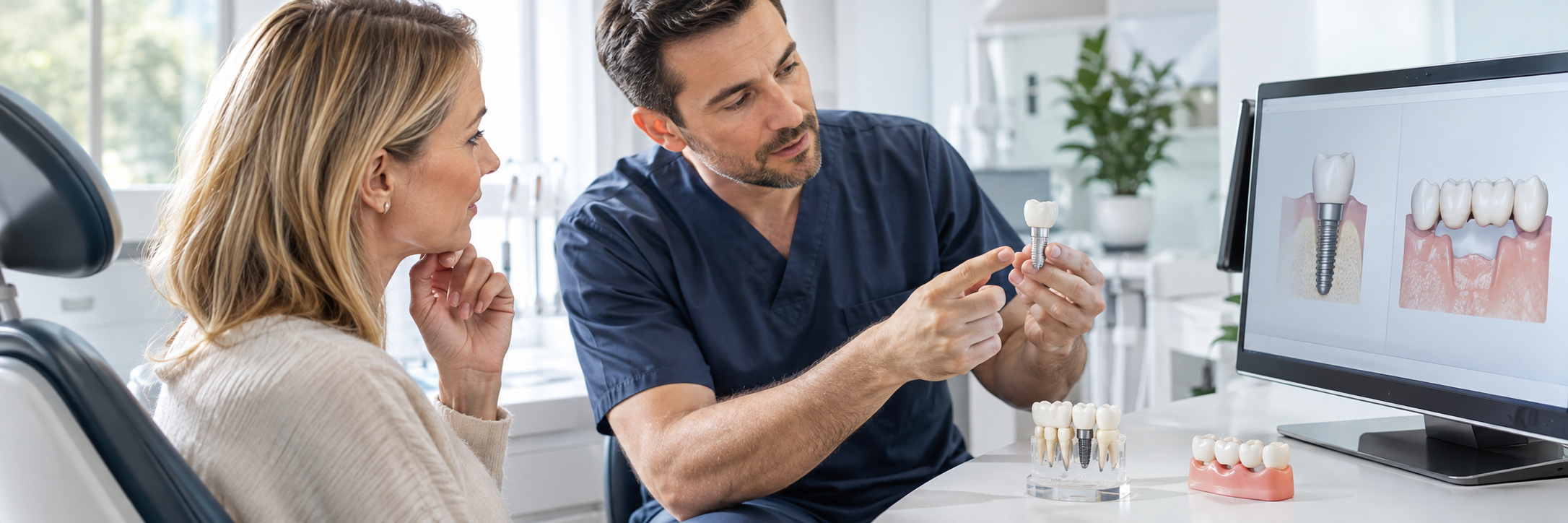
Dental Implants: A titanium screw acts as an artificial tooth root, supporting a crown. Implants function and look like natural teeth, and do not affect the neighboring teeth.
Dental Bridges: One or more artificial teeth are supported by crowns on adjacent natural teeth or implants. A bridge "bridges" the gap left by a missing tooth.
The choice between these treatments depends on various factors, including your oral health, budget, and expectations. To help you make an informed decision, this article explores costs, suitability, treatment stages, and practical tips for comparing dental implant clinics in Europe.
Key Differences: Dental Implants vs Bridges in Europe
While both implants and bridges can restore your smile and function, there are notable distinctions:
Longevity: Implants often last longer and can sometimes last a lifetime with proper care, while bridges may need to be replaced every 5–15 years.
Affect on Adjacent Teeth: Dental implants do not require modification of neighboring teeth. Traditional bridges involve filing down adjacent teeth to support the restoration.
Bone Preservation: Implants help maintain jawbone health, reducing bone loss in the area of the missing tooth. Bridges do not support the jawbone in the same way.
Treatment Procedure: Implant procedures involve minor surgery and a longer healing time. Bridges are faster, typically needing only a few appointments.
Ceramic (or zirconia) bridges are popular for their looks and strength, but dental implants remain the gold standard for single tooth replacement in Europe, especially if preserving natural tooth structure and bone health is a priority. However, bridges remain effective in cases where implants are not suitable or when faster restoration is needed.
Who Is a Candidate for Dental Implants or a Bridge?
Not every patient is a good candidate for each procedure. Factors influencing your choice include:
Bone density and gum health
Location and number of missing teeth
General health
Budget
Patient preference and expectations
A dental surgeon will assess your unique needs and recommend the optimal solution. For a comprehensive, evidence-based overview of candidate suitability, refer to the summary at PubMed.
The Role of Dental Tourism in Europe
Dental tourism has grown, with patients seeking advanced treatments at competitive costs abroad. Eastern European countries such as Poland, Latvia, Estonia, and Lithuania are well-regarded for their highly trained specialists, modern clinics, and efficient care pathways. Before booking treatment, it is crucial to understand the treatment process, costs, and how to rigorously compare dental implant clinics in Europe.
Next, we examine the treatment pathways, price ranges, and special considerations for implants and bridges across these European destinations.
Dental Implant Treatment Stages and Process
The dental implant process is more involved than receiving a dental bridge, especially for patients seeking care abroad. Understanding each stage helps you plan your travels and set realistic expectations.
Consultation and Planning: In-person or online assessments, with X-rays or scans, to determine treatment suitability and to create a treatment plan.
Implant Placement: The implant is surgically embedded in the jawbone; this often requires a minor outpatient procedure.
Healing Period (Osseointegration): The implant integrates with the bone—usually 2–6 months depending on the case.
Abutment and Crown Placement: After healing, an abutment and crown are attached, completing the tooth replacement.
Some patients may need bone grafting or preparatory procedures, while others may be eligible for "immediate load" protocols. For patients traveling from abroad, treatment is generally completed over two or more trips. For a clear breakdown of dental implant treatment stages, see the resources at Leeds Teaching Hospitals.
How Many Trips for Dental Implants?
Most international patients make two to three trips:
First trip: consultation, planning, and (if ready) implant placement
Healing period at home (2–6 months)
Second trip: crown placement
Complex cases may require additional visits. Patients should factor this into decision-making and travel arrangements.
Dental Bridge Treatment Stages
Dental bridges are usually completed in a shorter timeframe:
Consultation and Impressions: Assessment and tooth preparation, plus impressions for the laboratory.
Bridge Placement: Fitting and securing the custom-made bridge (often within days).
This faster timeline can be appealing if you are traveling for care or have tight scheduling needs.
Cost Comparison: Dental Implant vs Bridge in Europe
Many patients are motivated by reductions in dental implant cost in Europe or dental bridge cost in Europe compared to their home countries. Actual fees are influenced by:
Material and type of restoration
Complexity of the procedure
Clinic location, equipment, and expertise
The need for preparatory treatments (e.g., extractions, bone grafts)
Dental Implant Costs in Europe
Implant costs usually include the implant, abutment, and crown. Price ranges vary significantly, but many clinics in Eastern Europe offer competitive packages relative to Western Europe or the UK. Costs depend on individual needs, clinic, and materials chosen. For approximate price comparisons and to check up-to-date offers, visit the treatment price comparison page.
Dental Bridge Costs in Europe
Dental bridges tend to be more cost-effective upfront than implants because the procedure is less technically demanding. However, bridges may lead to additional long-term costs due to eventual replacement. As with implants, costs vary by material (porcelain, ceramic, or zirconia) and clinical factors. Individualized quotes are always recommended.
Country Comparison: Dental Implant and Bridge Options in Eastern Europe
Poland
Poland is one of the leading destinations for dental tourism in Europe, with a large number of modern clinics and English-speaking professionals. Polish clinics are recognized for their state-of-the-art technology and adherence to international standards. Patients often benefit from efficient appointment scheduling and accessible air links from across Europe. For example, KCM Clinic in Poland is known for its comprehensive range of dental therapies; learn more by visiting their clinic profile.
Latvia
Latvia is popular among Scandinavian and UK dental tourists due to its experienced clinicians and streamlined patient processes. Travel to Riga and other cities is straightforward, and waiting times for dental implants or bridges are typically short. Clinics like Medical Centre ARS offer modern facilities and transparent pricing; find out more on the Medical Centre ARS page.
Estonia
Estonia has earned a reputation for advanced digital dentistry and focus on patient comfort. Its dental clinics, including Astra Dent, provide a wide array of restorative options and personalized care plans for international patients. Accessibility from Nordic countries is convenient, and clinics support patients through the full treatment cycle. For an overview, see the Astra Dent clinic profile.
Lithuania
Lithuania’s clinics combine European standards with competitive pricing and experienced prosthodontists. The capital, Vilnius, and other cities attract patients for single tooth replacement and full-mouth restoration. To discover comprehensive implant services, review the Odontika clinic page.
Quality Assurance and Accreditation
Patients should always check that their chosen clinic maintains rigorous sterilization protocols, employs qualified dentists, and is accredited by national or international organizations. Reputable clinics will be transparent about their dental team’s credentials, use of CE-marked materials, and commitment to ongoing education. For a helpful overview of dental implant materials and standards, refer to the implant information page.
Travel and Accessibility
The highlighted countries are well-served by major airports, with numerous direct flights from around Europe. Most major cities have clinics within easy reach of transport hubs. Clinics catering to international patients frequently assist with travel planning and provide treatment schedules optimized for minimal time abroad.
How the Medical Tourism Process Works for Dental Treatment
Initial Contact: Reach out to your chosen clinic for an online or phone consultation. Share your dental concerns and, if possible, dental X-rays or scans.
Treatment Planning: The clinic reviews your case, discusses suitable options (implant or bridge), and composes an individualized quote.
Scheduling: Once you approve your plan, staff will help coordinate convenient travel dates for the first or only visit.
Treatment Abroad: Attend your scheduled appointments; clinics with established experience in dental tourism offer clear communication and guidance throughout.
Follow-up and Support: Many clinics offer remote aftercare and are available for further advice once you return home.
For more about comparing dental implant clinics in Europe and arranging care, explore the price comparison tool.
Get our free "Ultimate Pre-Treatment Abroad Checklist"
Planning treatment abroad can be overwhelming - but it doesn’t have to be. Our “Ultimate Pre-Treatment Abroad Checklist” guides you step-by-step through everything you need to do before booking your procedure abroad.
How to Choose the Right Clinic for Implants or Bridges Abroad
Selecting the best provider for your dental implant or bridge is an essential step in your treatment journey. Here’s what to consider:
Accreditation and Qualifications: Review the clinic’s certifications, the training and experience of its staff, and confirm transparency about standards.
Treatment Portfolio: Look for clinics with a strong record in implantology and restorative dentistry, as shown by patient reviews and before-and-after galleries.
Communication: Ensure the clinic can provide information in your preferred language and is responsive to questions.
Aftercare Support: Ask about post-treatment care, remote support, and protocols for addressing any concerns after you travel home.
Personalized Planning: The clinic should tailor its approach based on your needs, not offer "one-size-fits-all" solutions.
What is your experience with dental implants or bridges for international patients?
How many trips will be required for my planned treatment?
What materials do you use for implants, abutments, and crowns or bridges?
Are there any additional costs that I should be aware of?
What aftercare and support services do you provide once I leave the country?
Can I see before-and-after examples or patient testimonials?
Initiating open, proactive communication helps ensure you are fully informed and confident in your treatment decision.
Frequently Asked Questions
Is a dental implant or a bridge better for replacing a single tooth?
Both treatments are effective; implants usually offer a longer-lasting, bone-preserving solution but may not be suitable for all patients. A dental consultation will clarify your best option.
How much does a dental implant or bridge cost in Europe?
Costs vary by clinic, material, and your needs. Implants often cost more upfront than bridges, but detailed quotes are essential for accurate comparisons.
How many trips will I need for dental implant treatment abroad?
Most patients need two to three trips for implants. Bridges can often be completed in one or two visits. Your clinic will advise based on your plan.
How do I ensure the clinic I choose is reputable?
Check for recognized accreditations, transparency about qualifications, clear patient information, and a proven track record in dental tourism.
Will I receive aftercare support once I return home?
Many clinics offer remote support and advice. Ask about aftercare protocols before booking to ensure continuous support during healing.
Conclusion: Making an Informed Choice for Dental Implants or Bridges in Europe
Choosing between a dental implant and a bridge in Europe requires consideration of clinical needs, budget, travel plans, and your long-term goals. Patients benefit from high-quality, accredited clinics in Poland, Latvia, Estonia, and Lithuania, where affordability and care standards are prioritized. By comparing clinics, requesting comprehensive treatment plans, and asking the right questions, you can maximize your dental tourism experience and achieve lasting results.
Ready to take the next step? Compare dental clinics in Europe today and request a personalized treatment plan. Your restored smile may be closer than you think.
November 22, 2026
Looking for treatment options? We can help you find the best care abroad in 24-48h!
Get the medical Care You Need at 50–70% Less
Our partner clinics offer significant cost reduction compared to other Western European clinics
EU-Certified Clinics
All our partner clinics meet strict European quality standards
Short waiting time
Our Medical tourism clinic partners typically respond within 24–48 hours